
Human in the loop vs ad bots - the line we draw for fintech
Fintech performance marketing should reject fully autonomous ad bots for a "human in the loop" AI model. Due to the high stakes in regulated lending - where automated errors risk shifting the risk mix or violating platform policy - AI agents (like Thirdi's) only prepare clear action suggestions (wh…
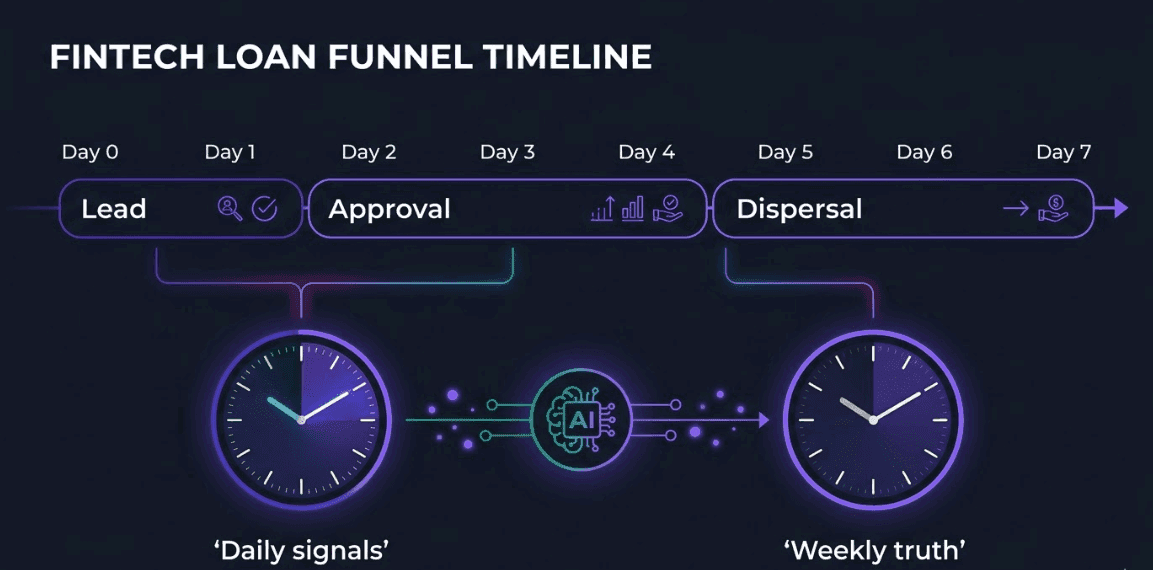
We get asked one question a lot on sales calls right now:
“Will your system just run our ads on its own?”
The honest answer is no. And that is a deliberate choice, especially for fintech.
We have all seen the screenshots:
- tools promising “fully autonomous” campaign management
- threads about accounts getting banned after a bot started taking rapid fire actions
- people exporting data into random LLMs and pushing decisions back into Google or Meta with no guardrails
In low risk categories, some of that might be acceptable. In lending, where you rely on these platforms as core acquisition channels, we think the risk is too high.
What makes fintech different
Two things make us more conservative here.
First, the stakes. A bad decision is not just wasted spend. It can shift your risk mix in ways that hurt collections later. Performance and underwriting are more connected than most dashboards show.
Second, platform rules. Meta and Google are already on alert for suspicious, high frequency automated actions. If a third party tool starts hammering their APIs in a way that looks like a bot making uncontrolled changes, your account can and will come under review.
We did not want Thirdi to be the reason someone lost their main growth channel.
What “human in the loop” means in our world
For us, humans in the loop is not a buzzword. It is a design choice.
The agents in Thirdi:
- read your data across Meta, Google, and your CRM
- spot waste, fatigue, and odd patterns
- prepare clear action suggestions: what to pause, what to scale, what to test
They do not hit the “publish changes” button for you.
Your team still:
- reviews suggestions
- applies judgement on context, brand risk, and internal constraints
- pushes the actual changes in the ad platforms via official, supported paths
This slows things down by a few clicks, but it keeps you on the right side of policy.
Why we believe this is the right tradeoff
Could we wire Thirdi to take full control of your campaigns? Technically, yes.
Would we trust that model for a lender spending crores on Meta and Google, operating in a regulated market, and already nervous about bans? We would not.
By keeping humans in the final loop, we get a few clear benefits:
- no surprise policy violations from aggressive bots
- clear accountability on why a change was made
- more trust from performance, product, and compliance teams who need to live with the outcomes
We still give you the time savings and the sharper decisions. We just stop one step short of saying, “let the machine run your budget while you sleep.”
For some brands, that might sound less sexy. For fintech brands who know what a suspended account feels like, it is usually a relief.
See this on your own accounts
third i connects to the platforms you already run and does this work against your live numbers.
Read more
View all articles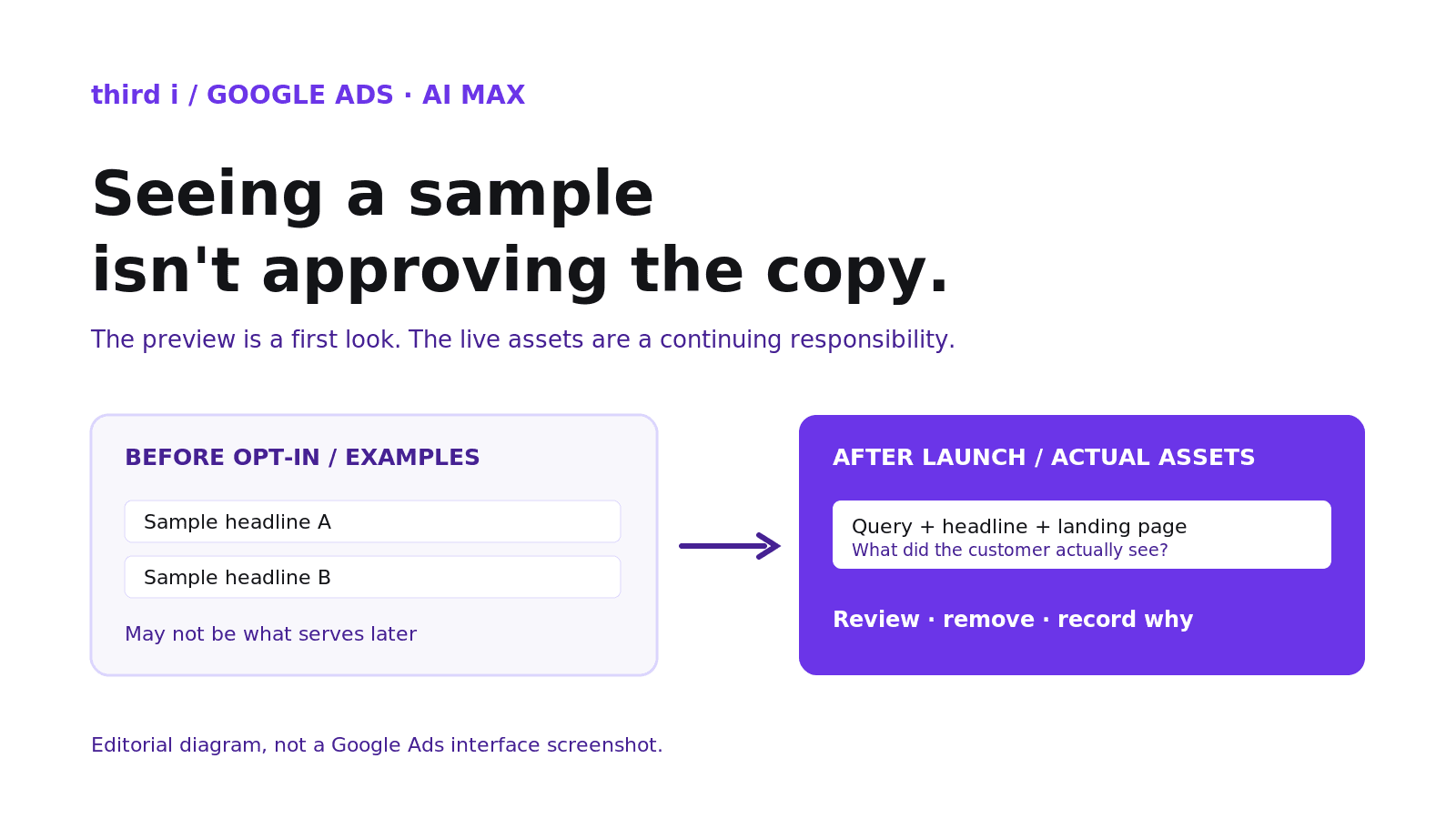
AI Max Copy Preview: Seeing a Sample Isn't Approving It
Google Ads now shows sample AI Max headlines before opt-in. Here is why previewing examples is useful, but does not replace reviewing the copy that actually serves.

How to Defend a 2027 Marketing Budget When the Numbers Disagree
Google, GA4 and the CRM disagree. What should an agency put in a 2027 marketing budget? An account review shows why the answer is not another dashboard.
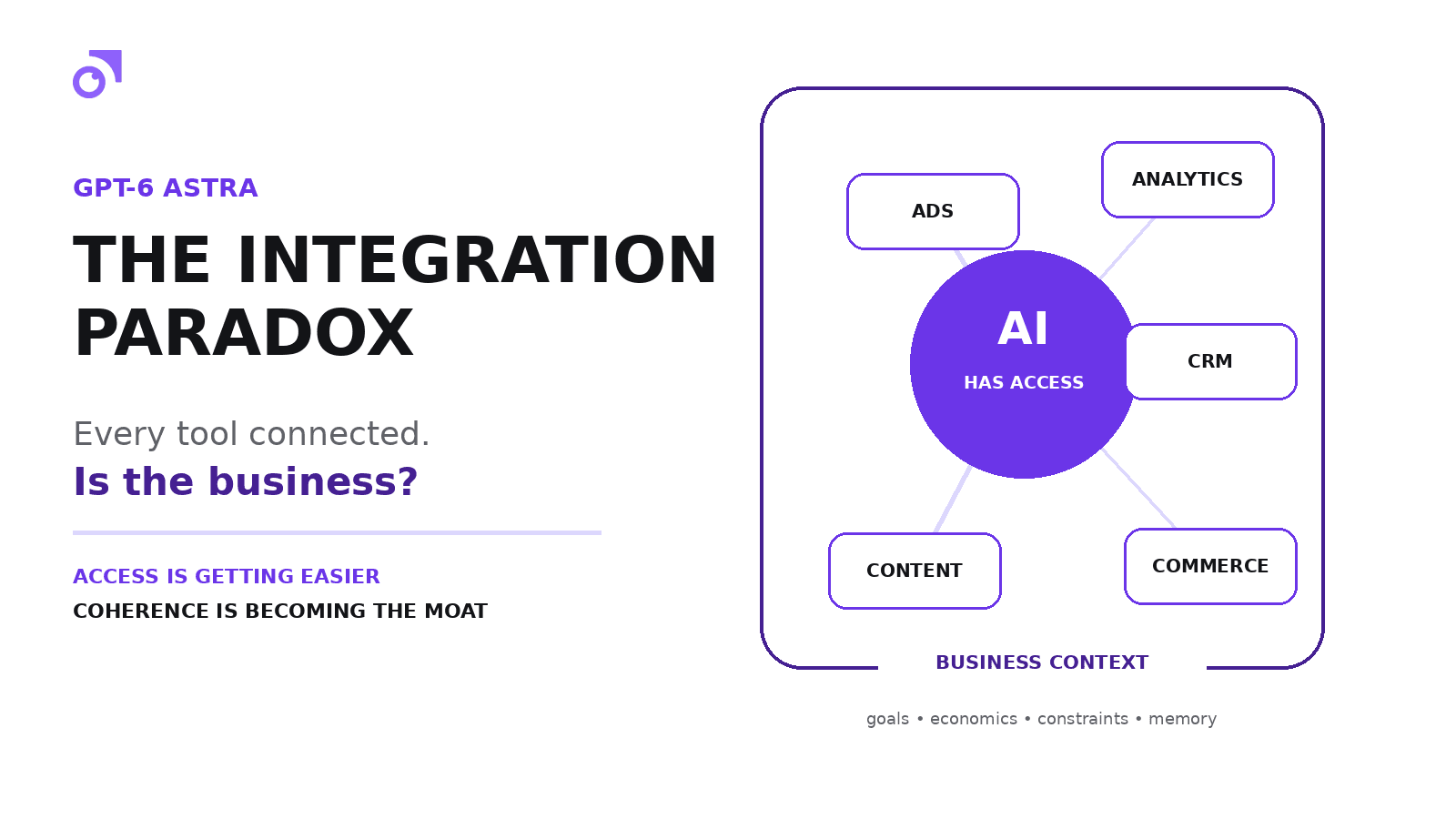
GPT-6 Astra and the Integration Paradox: When AI Can Use Every Tool, Business Context Becomes the Moat
GPT-6 Astra can operate more software, but useful marketing still depends on connected goals, economics, constraints, decision history and human approval.