
10 Best Strategies To Boost An E-Commerce Website Sale
10 data-driven strategies to boost your e-commerce sales and turn website visitors into enthusiastic buyers. Learn from the best website sales strategies.

Optimize for Mobile
As of the first quarter of 2024, over 77% of online retail sales were conducted through mobile devices. That's a massive chunk of potential audience you could be missing out on if your website isn't mobile-friendly. Ensure your website loads fast, has clear product pages, and is specifically designed for smartphones and tablets.
Implement Omni-Channel Marketing
Simply put, showing up builds trust, and your brand needs to be on top of mind for buyers. And when promoting your product, there’s always more you can do. Omni-channel marketing allows you to reach customers where they are. Integrate your e-commerce website with social media platforms, email marketing, and SMS to create a coordinated brand experience and increase sales opportunities.
Conduct A/B Testing
E-commerce marketing is all about trial and error. So, the best way forward is to compare different website versions to see which performs best for your audience. Experiment with SEO strategy, images, and calls to action depending on user-generated data. Does this mean you need to spend valuable time analyzing data? Absolutely not, because tools like Thridi analyze all your data within minutes.
Personalize Approach
Understanding what your audience needs is half the battle won. Minute details like whether your audience is more inclined towards video content than image content can make a huge difference to your conversion rates. Personalize a minute detail like adding a short product glimpse as a preview when hovering can make a significant difference.
Make Product Navigation Seamless
Imagine a customer excited about your sale, only to get lost in confusing listings. To avoid unnecessary website bonuses, organize clear product categories, easy searches, and well-organized product pages with high-quality images and detailed descriptions. Useful filters and sorting options by price, brand, color, or other relevant criteria ease the browsing experience and make selling much easier.
Declutter the Checkout Process
The average cart abandonment rate is 70.19%, and the two biggest reasons are hidden charges and lengthy sign-up processes. The solution is to avoid any step that isn’t necessary for the purchase and make buying a no-buffer process for the customer. The goal is to create a quick, secure, and trustworthy payment gateway.
Gamify User Experience
Have you ever completed a simple survey and enjoyed a 10% off on your favorite product? Gamification elements like offering points for signing up for your email list, early purchase deals, or creating a social media contest tied to your sale can increase your engagement and conversions. A little friendly task can go a long way in boosting excitement and sales.
Retarget Customers
Website visitors who abandon their carts still represent a valuable opportunity. Utilize retargeting ads, emails, and social media content to gently remind them about the products they left behind and encourage them to complete their purchase with a special offer or discount code.
Cross-sell & Up-sell
Cross-selling, meaning recommending complementary products, and upselling, meaning recommending upgraded versions, during browsing and checkout boosts your average order value. For instance, a laptop bag recommendation for a laptop purchase. This strategy can significantly increase purchase value and improve your revenue, making it a crucial e-commerce optimization technique.
Leverage AI solutions
AI has proven to be a game-changer in providing a flawless customer experience. From chatbots providing 24/7 customer support to predictive analytics for inventory management and creating unique virtual experiences, AI enhances efficiency and customer satisfaction. Tools like Thirdi’s AI-powered growth marketing platform help you get started today!
Examples of the best e-commerce website sales strategies
Casper
Casper transformed mattress shopping with its direct-to-consumer e-commerce model. Here’s what went right:
- An SEO-optimized blog, answering all customer queries.
- Reduce purchase anxiety with a 100-night trial and free returns.
- Displaying all reviews, building trust.
- The ‘refer and earn a gift card’ program expands the customer base.
- Highly personalized surveys and follow-up emails enhance customer satisfaction.
With this customer-centric strategy, Casper reached a $1.1 billion valuation in just 5 years and gets a monthly organic traffic of around 1.1 million.
Charlotte Bio
This organic cosmetics brand achieved impressive results with a 6-hour flash sale. Here’s what went right:
- 40% discount with scarcity marketing.
- Early access for repeat customers.
- Multi-channel promotion (email, social media, paid media campaigns).
- Mobile-optimized popups and website bars with countdown timers.
- One-click discount code application.
This approach helped them achieve a 47% CTR on desktop and even higher on mobile, demonstrating the effectiveness of timed promotions and mobile optimization in driving conversions.
In conclusion, the most successful e-commerce sales strategies are all about creating a seamless, engaging, and personalized shopping experience that keeps your customers coming back for more.
If you are looking to accelerate your brand growth with marketing, write to us at info@thirdi.ai for a free audit or contact us today.
See this on your own accounts
third i connects to the platforms you already run and does this work against your live numbers.
Read more
View all articles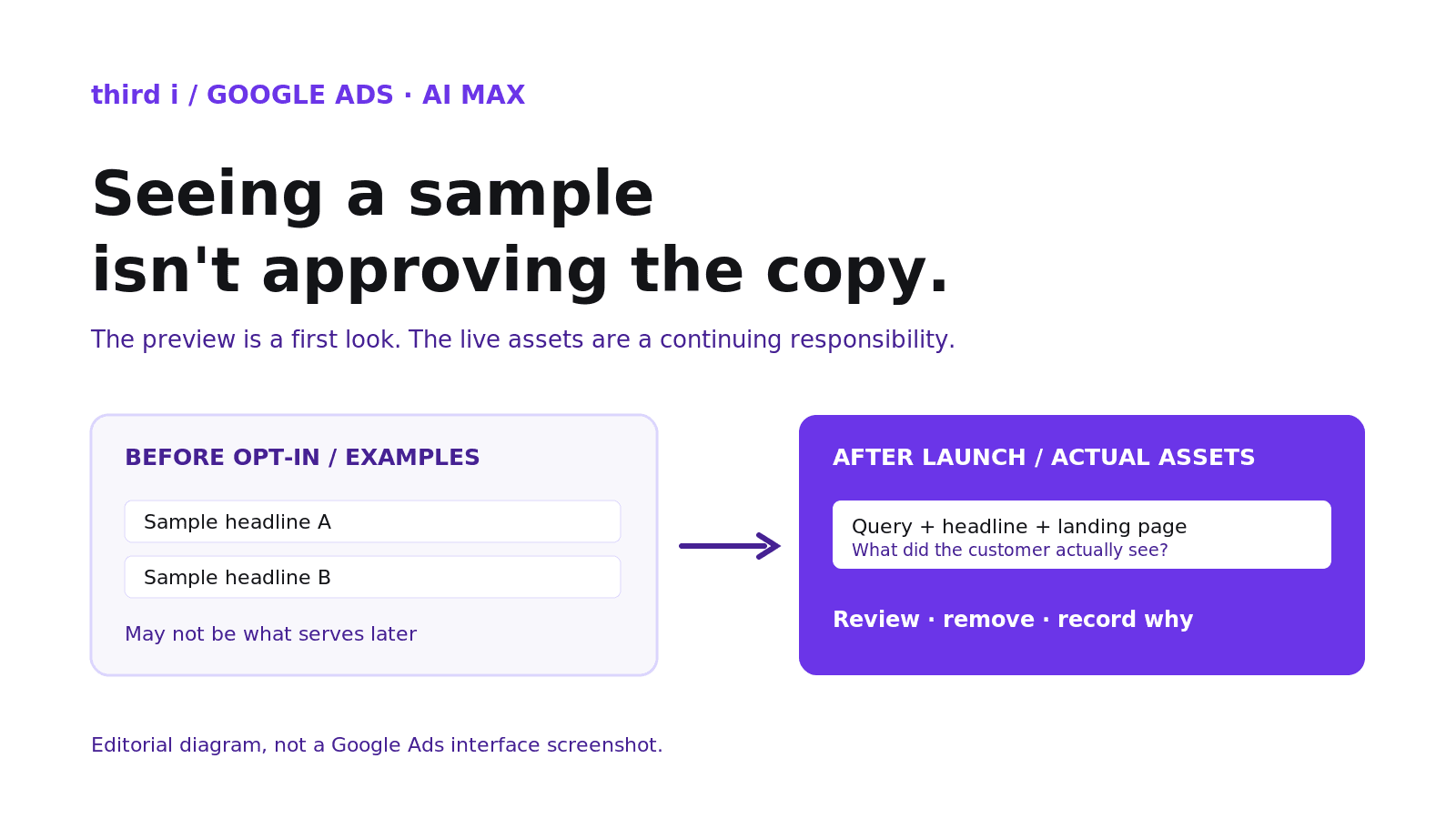
AI Max Copy Preview: Seeing a Sample Isn't Approving It
Google Ads now shows sample AI Max headlines before opt-in. Here is why previewing examples is useful, but does not replace reviewing the copy that actually serves.

How to Defend a 2027 Marketing Budget When the Numbers Disagree
Google, GA4 and the CRM disagree. What should an agency put in a 2027 marketing budget? An account review shows why the answer is not another dashboard.
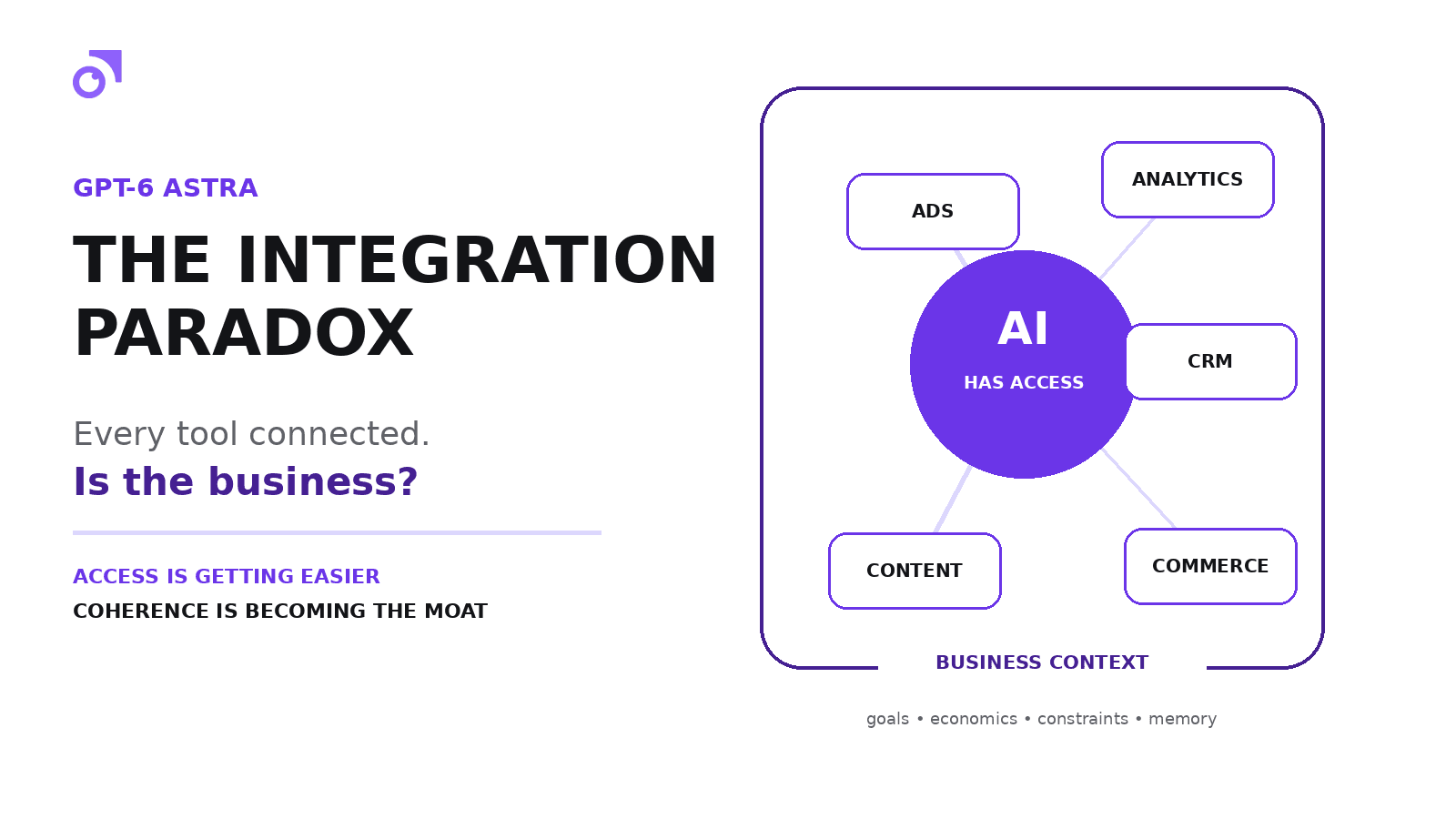
GPT-6 Astra and the Integration Paradox: When AI Can Use Every Tool, Business Context Becomes the Moat
GPT-6 Astra can operate more software, but useful marketing still depends on connected goals, economics, constraints, decision history and human approval.